
 Functional
 Water
 Snap your plate
 Excuse games
 Mind, Body & Beyond
 Store
 Community


































































Mind
Stop using food or alcohol to numb your emotions
Almost everyone has reached for something sweet or a drink after a hard day. That doesn't make you broken. When food or alcohol becomes the main way you deal with feelings, though, it tends to cost more than it gives. Here's what's going on and what helps.
Why stress pulls us toward comfort food
Harvard Health explains the biology. In the short term, stress can shut appetite down. When stress drags on, the stress hormone cortisol increases appetite and motivation to eat, and food preferences shift toward fat and sugar. Those foods seem to dampen stress responses, which is partly why they work as “comfort” in the moment.
The Harvard T.H. Chan School of Public Health adds that chronic stress can disrupt sleep, and poor sleep is a stressor in its own right. In a Harvard Health interview, Massachusetts General Hospital dietitian Viviane Fornasaro-Donahue describes common forms of stress eating: mindless snacking, grazing, late-night cravings, binges and, surprisingly, skipping meals.
It's common. A 2025 meta-analysis of 38 studies with 13,662 middle-aged adults estimated that about 16% regularly eat in response to negative emotions. Rates were higher among younger middle-aged women.
Alcohol as a coping tool
A review by psychiatrists at the University of Manitoba found that, among people with mood or anxiety disorders, about 22–24% reported using alcohol or drugs to self-medicate. Over time this self-medication was linked to developing a substance use disorder. The National Institute on Alcohol Abuse and Alcoholism (NIH) notes that anxiety and depression are far more common among people with alcohol use disorder, and recovery is more likely when both are treated.
Alcohol also works against the rest you need. A review of studies in healthy volunteers found that alcohol helps you fall asleep faster but increases sleep disruption in the second half of the night and delays REM sleep. The Sleep Foundation summarizes it simply: sleepy at first, lighter and more broken sleep later.
What the evidence doesn't say
- Enjoying food isn't the problem. Eating for pleasure or celebration is normal. The issue is when it becomes your main or only way to cope.
- Willpower isn't the whole story. The research points to hormones, habits, environment and mental health, not weak character.
- Self-help has limits. If you binge often, feel out of control around food or drink, or use alcohol to get through most days, that's a reason to see a professional, not to try harder alone.
Practical steps
- Name it first. Before you eat or pour a drink, ask: am I hungry, or am I tired, stressed, bored or lonely? Even a 30-second pause helps.
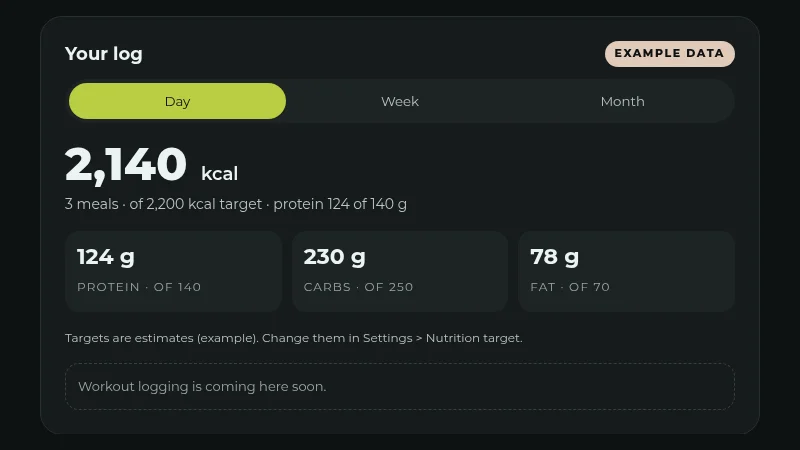
- Keep a short log. Note what you ate or drank and how you felt. Patterns show up fast, like the same snack at the same time after the same kind of day.
- Change the environment. Harvard Health suggests not keeping high-fat, sugary comfort foods within easy reach.
- Have a replacement ready. A walk, a shower, a call with a friend, a short workout, or five slow breaths.
- Don't skip meals. Getting too hungry makes the evening crash worse.
- Protect sleep. Less sleep means more stress and more cravings.
- Get help early. A doctor, therapist or registered dietitian can help. In the U.S., you can call or text 988 any time if you're in crisis.
Physical hunger vs emotional hunger
A simple way to tell them apart: physical hunger usually builds gradually, shows up a few hours after your last meal, and almost any food sounds fine. Emotional hunger often hits suddenly, wants one specific comfort food, and is tied to a feeling or situation, like a fight, a deadline or a quiet evening alone. This isn't a clinical test, but it's a useful question to ask yourself in the moment.
Building other ways to cope
The goal isn't to never eat a cookie on a bad day. It's to have more than one tool. Movement is a strong one for many people. It changes your state, gets you out of the kitchen and builds something you're proud of. Talking to someone works too. So does writing down what's bothering you, a technique Mayo Clinic also suggests for managing worries before bed.
The Harvard dietitian quoted above makes the point that not everyone is in tune with their feelings, so some people reach for food without realizing they're using it to cope. Awareness comes first. The log helps you see patterns you'd otherwise miss.
Common questions
Is one drink to unwind a problem?
This article isn't about judging moderate drinking. The concern is a pattern where alcohol becomes the main way you handle stress or low mood. The research links that pattern to a higher risk of developing a substance use disorder. Alcohol also breaks up sleep later in the night, which makes the next day's stress harder.
The bottom line
Turning to food or drink when you feel bad is a common, very human pattern, driven partly by stress hormones. Notice it, track it, build other ways to cope, and get professional help if it feels out of your control.
Want to see your own patterns? Log it in the free Tracker.
Snap your meals to see your patternsThis article is for general information and isn't medical advice. Talk to a qualified health professional about your own situation.
Sources
- Harvard Health: Why stress causes people to overeat
- Harvard Health: How to curb your stress eating
- Harvard T.H. Chan School of Public Health: Stress and health
- Sze et al. 2025, J Eat Disord: negative emotional eating in middle-aged adults
- Turner et al. 2018, Depress Anxiety: self-medication with alcohol or drugs
- NIAAA (NIH): Mental health issues, alcohol use disorder and co-occurring conditions
- Ebrahim et al. 2013, Alcohol Clin Exp Res: alcohol and sleep
- Sleep Foundation: Alcohol and sleep
- 988 Suicide & Crisis Lifeline